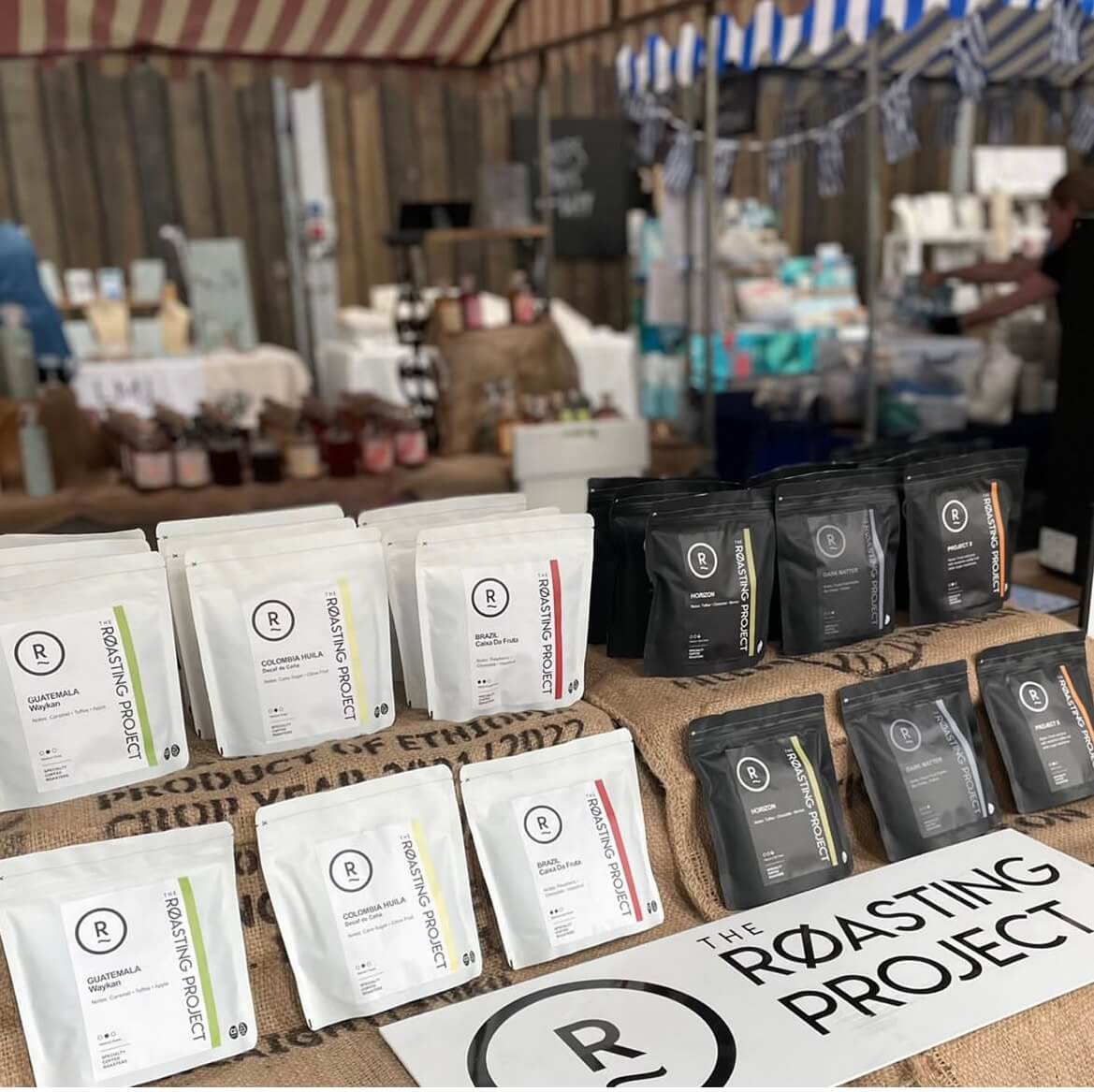
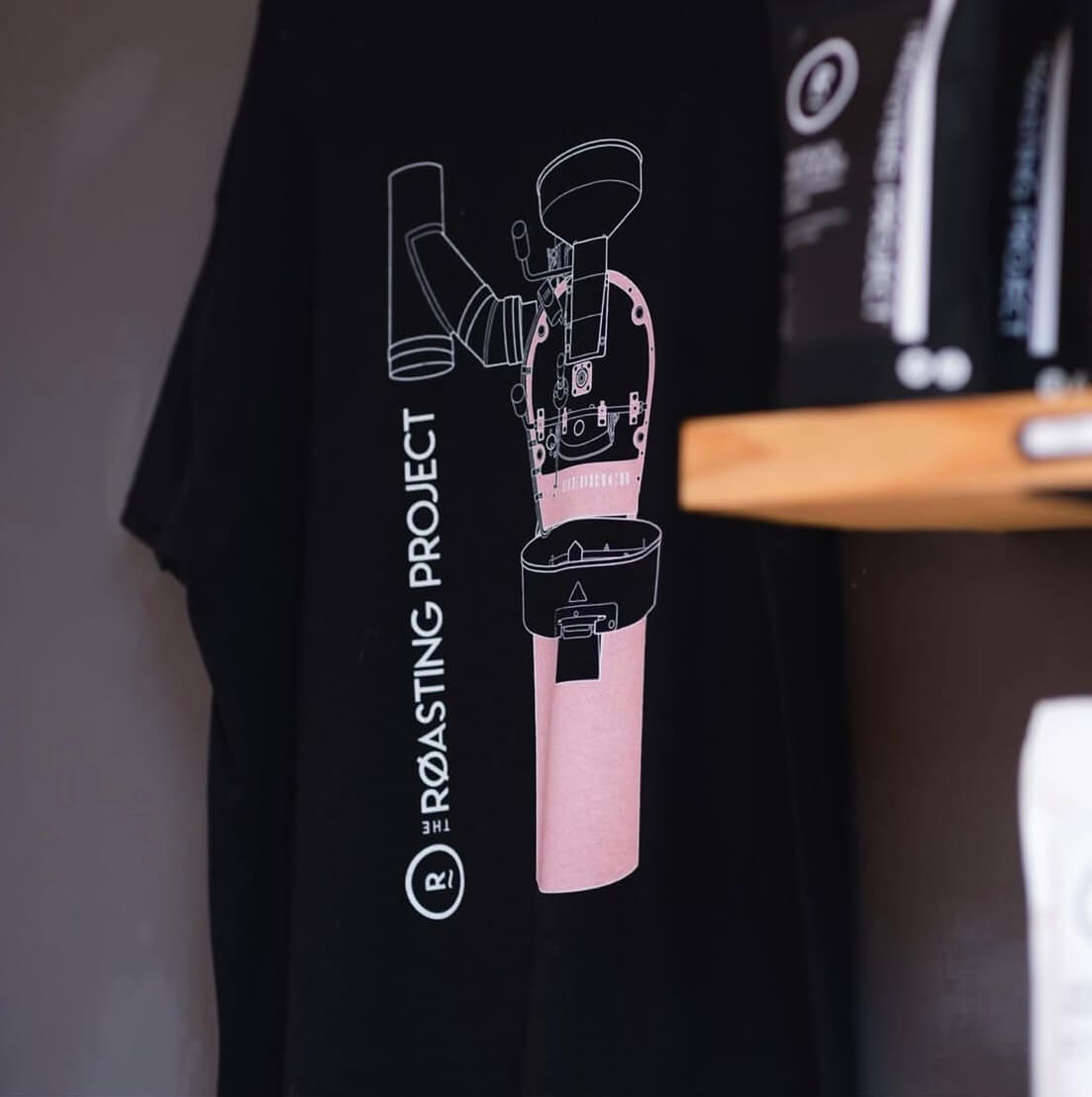
The Roasting Project are a small batch Scottish speciality coffee roastery situated in Kirkcaldy. The 3 founding members Gary Cunningham and brothers Mark and Gary Braid, have been roasting great tasting, fresh, seasonal coffee since 2018 and continued growth has seen us move from our coffee house/roastery situated in Burntisland to our now purpose built roastery in Kirkcaldy.

Introducing The Roasting Project
What does “specialty coffee” mean to you, and how does that philosophy guide the way you roast and select coffees?
Specialty coffee to us is coffee that is environmentally and socially conscious, characterised by defect free, traceable, high-quality beans. Our philosophy at The Roasting Project is great tasting coffee which is accessible for everyone.
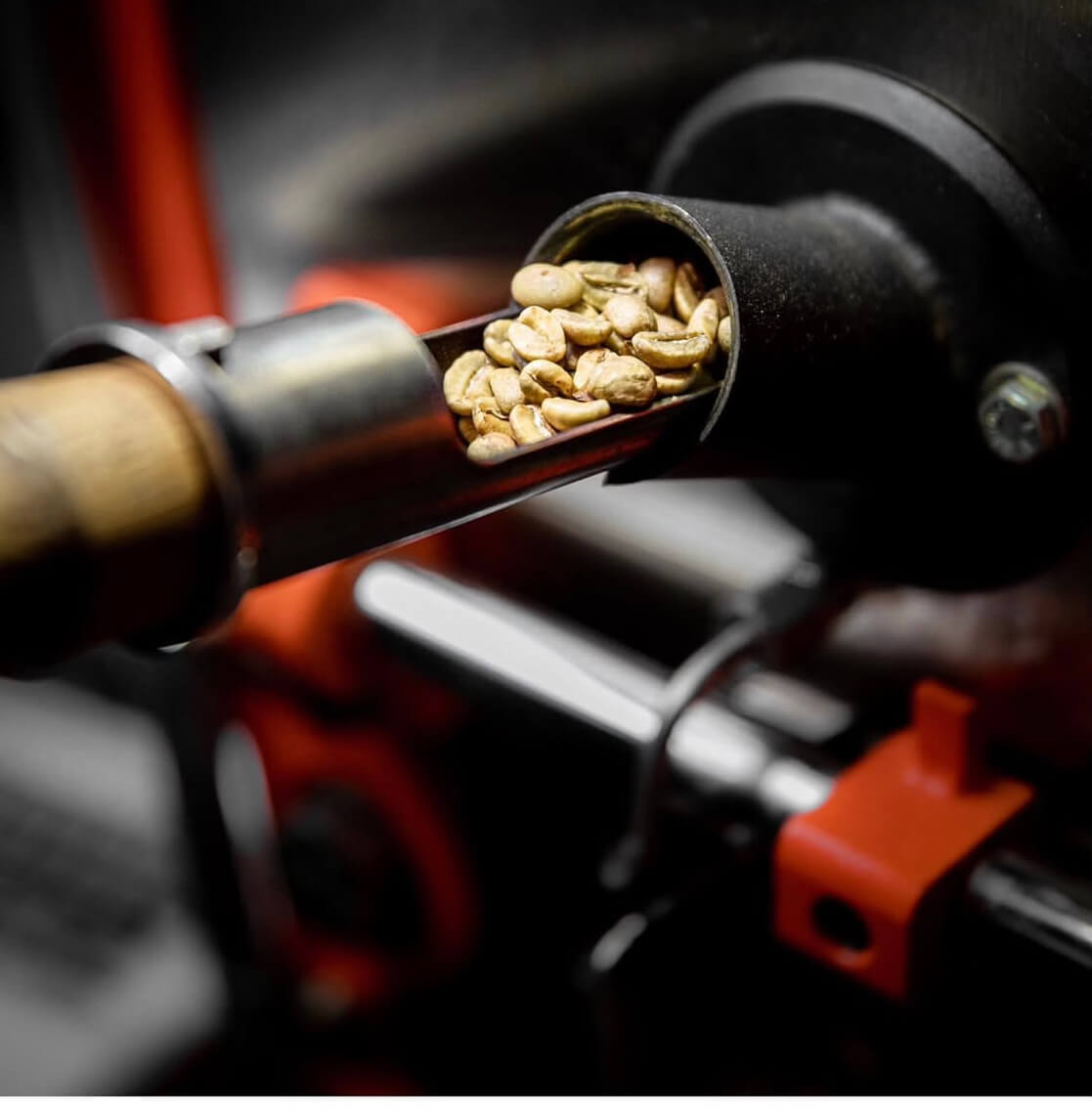
We select seasonal coffee beans, which offer vibrant characteristics, roasting to ensure our small batch techniques highlight a range of unique flavour profiles to suit our single origin coffee and blends. In our range we have coffees that can suit most people whether you like coffee that is light and fruity or bold and dark.
How do you go about sourcing your coffee beans, and what principles guide your decisions when choosing growers and importers?
We have developed a partnership of trust with a small selection of green coffee suppliers, providing us with a transparent supply chain and information on the lots we select, each supplier we purchase from chooses to improve environmental and social impacts within these regions – ensuring that fair prices are given to farmers and communities.
Why is ethical sourcing important to you as a roastery, and how do you communicate that story to customers and trade partners?
Ethical Sourcing is important to us as a roastery as it directly supports the farmers who grow and harvest the coffee beans providing fair wages and safe working conditions, and with focus on sustainable farming practices to ensure quality, transparency and long-term viability.
We communicate this story through our media channels, customer interactions, training classes, roastery visits and shared collaborations. Our successful trade partnerships are of mutual benefit, trust and transparency.
Sustainability goes beyond where coffee is grown. What steps are you taking in roasting, packaging, and day-to-day operations to reduce environmental impact?
Careful planning of our roast week ensures our roasting is as sustainable as possible in terms of roasting on a gas roaster. Our coffee bags are recyclable in all major supermarkets at their soft plastics drop offs and our boxes are recyclable at home & business recycling.
We are working closely with Pillars of Hercules in Falkland, ‘Grounds to ground project’ using our chaff from the roasting process, this is full of nitrogen to enrich the soil. We collect used coffee grounds from our customers and deliver it to the farm, the grounds act as a slow fertiliser and a perfect match to work alongside the chaff to improve the soil structure.
Who are your main customers at the moment?
Our customers range from independent coffee houses, restaurants, hotels hospitality venues, mobile specialty coffee carts and home brewers.
For businesses where coffee isn’t the main focus, how do you help them offer something great without overcomplicating it?
As we build relationships, we listen and focus on our customer’s core needs – whether that’s a great-tasting everyday coffee, something that works well with food, or a setup that’s easy for staff to use, ensuring we provide a simple solution for their coffee offering. The goal is always to deliver consistently good coffee without adding pressure or unnecessary complexity – letting our customers focus on what they do best, while knowing the coffee is taken care of.
Do you collaborate with other producers whose products pair naturally with coffee – such as bakers, chocolatiers, or food producers – and what do those collaborations look like?
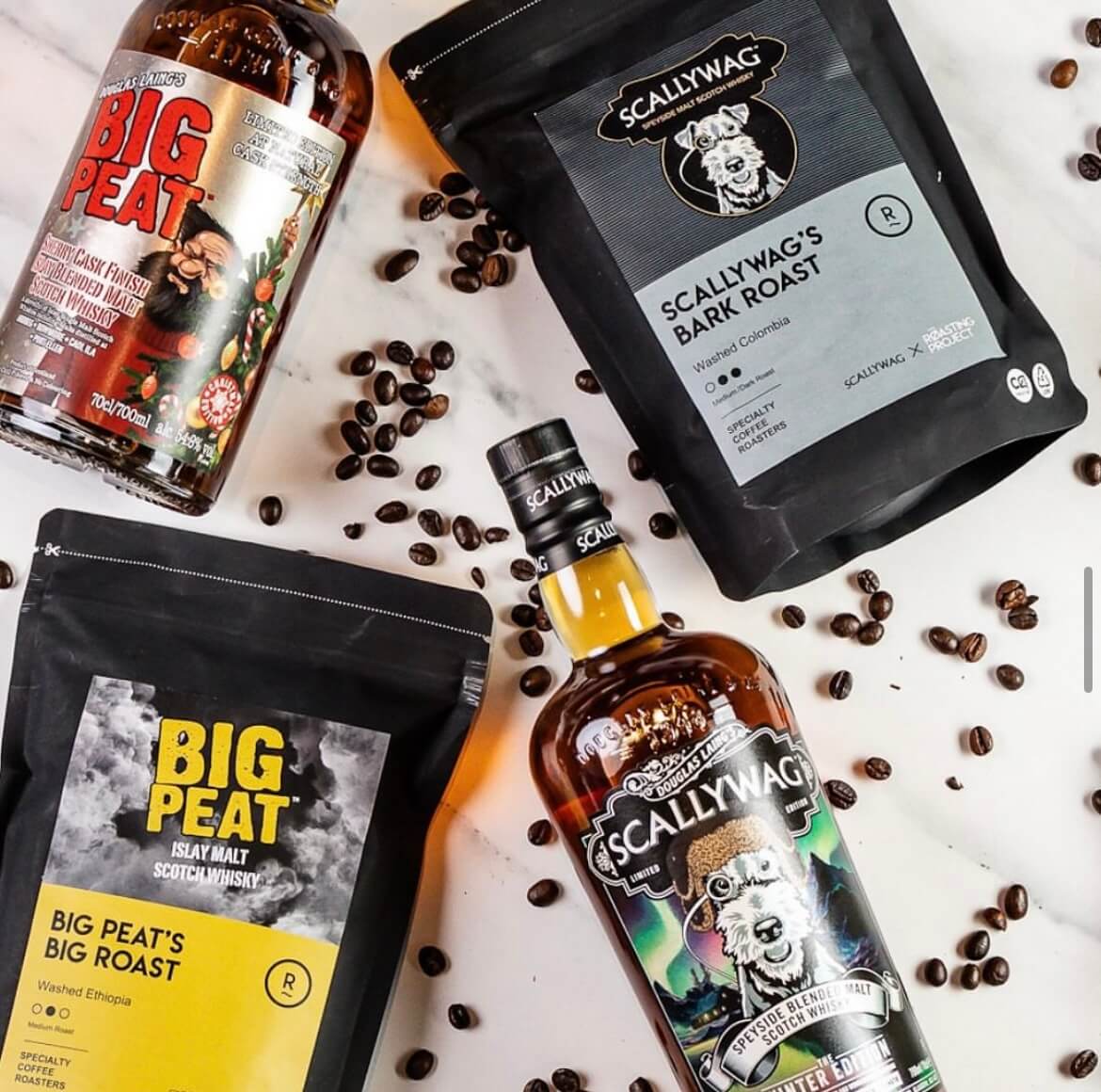
We worked alongside one of our whisky distillery partners, creating whisky infused coffee using an anaerobic fermentation process this collaboration was extremely successful, emerging as a niche product combing unique flavours from the selected whisky and our chosen single origin, enabling coffee and whisky drinkers with an opportunity to explore.
Education is a big part of what you do. What kind of training or support do you offer to trade partners.
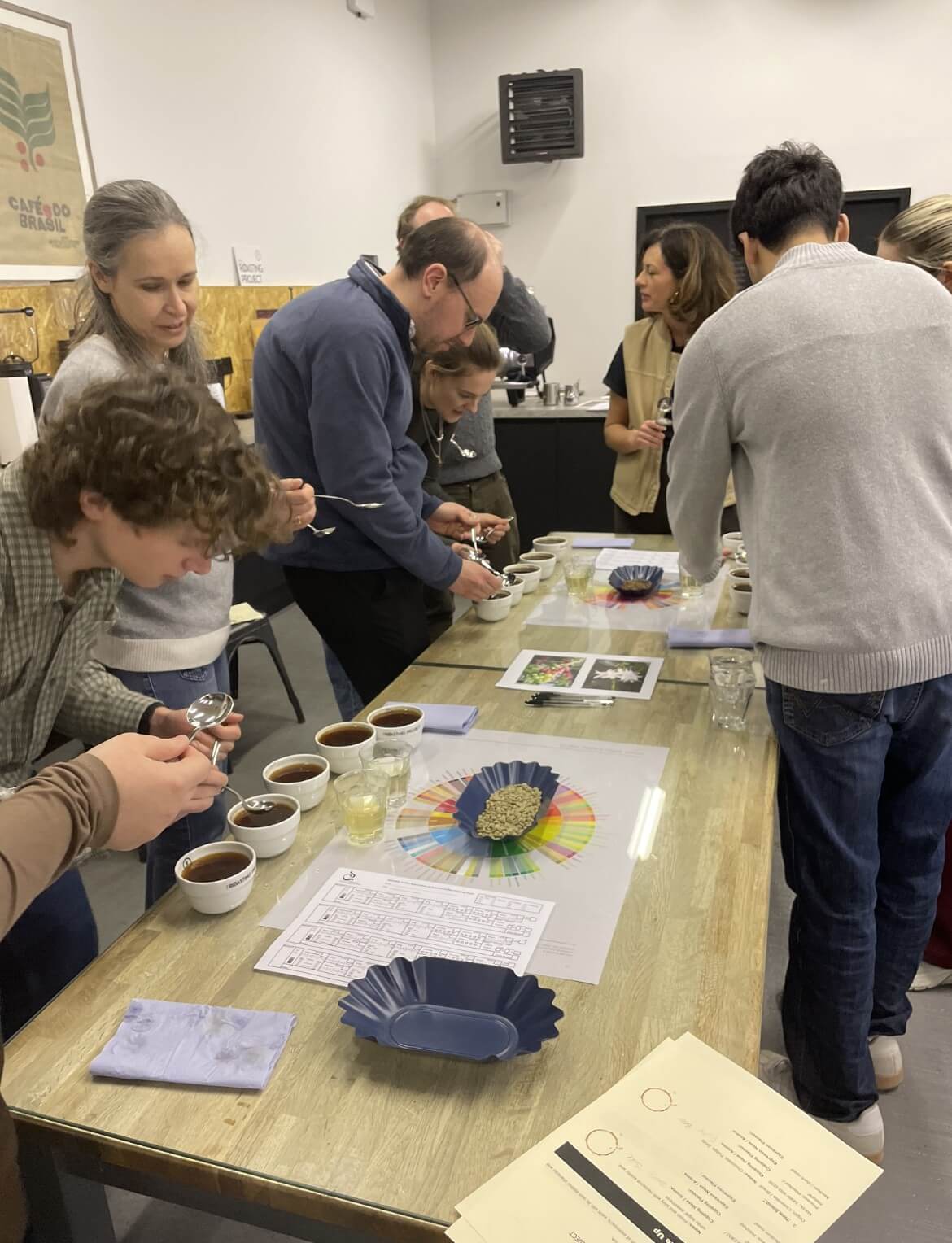
We are deeply committed to barista training, our professional training programme is inclusive of the correct practices and use of the espresso equipment and automated grinders, including espresso extraction, controlling variables, coffee dosing, coffee ratios, changes in taste, milk texturing consistency and pouring techniques, we concentrate on continuous support and are here to assist and advise.
For businesses setting up or upgrading their coffee offer, do you also supply equipment, cups, or guidance on brewing
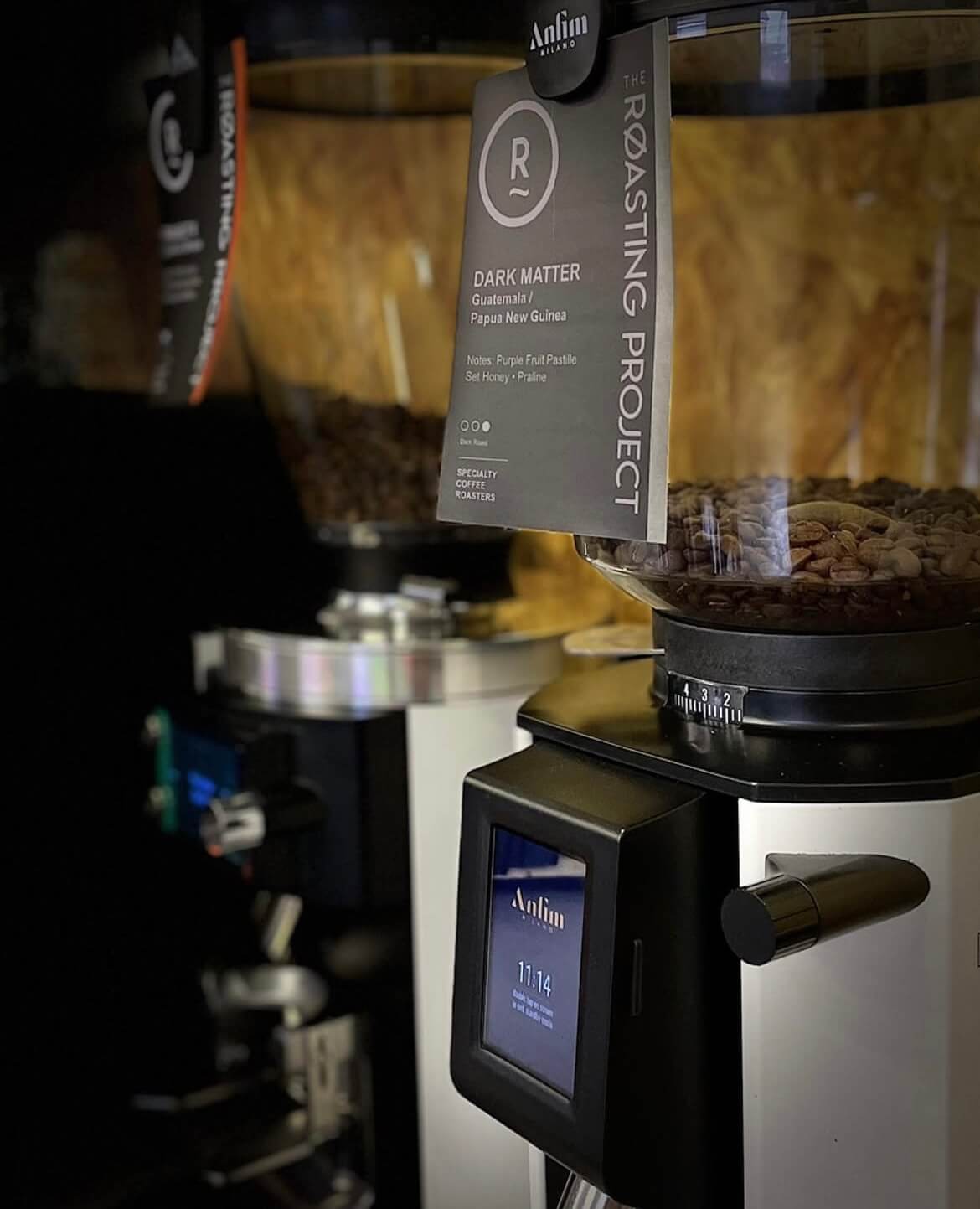
Choosing the right equipment is essential to the success of your daily operation. Our team will guide you on the correct machine package, grinders and brewing tools and setup, enhancing this experience by visiting our roastery where we have various setups to demonstrate.
For members of the public, how do you help people feel confident choosing and brewing specialty coffee at home?
At TRP we put in the time and resources to ensure quality, consistency and sustainability.
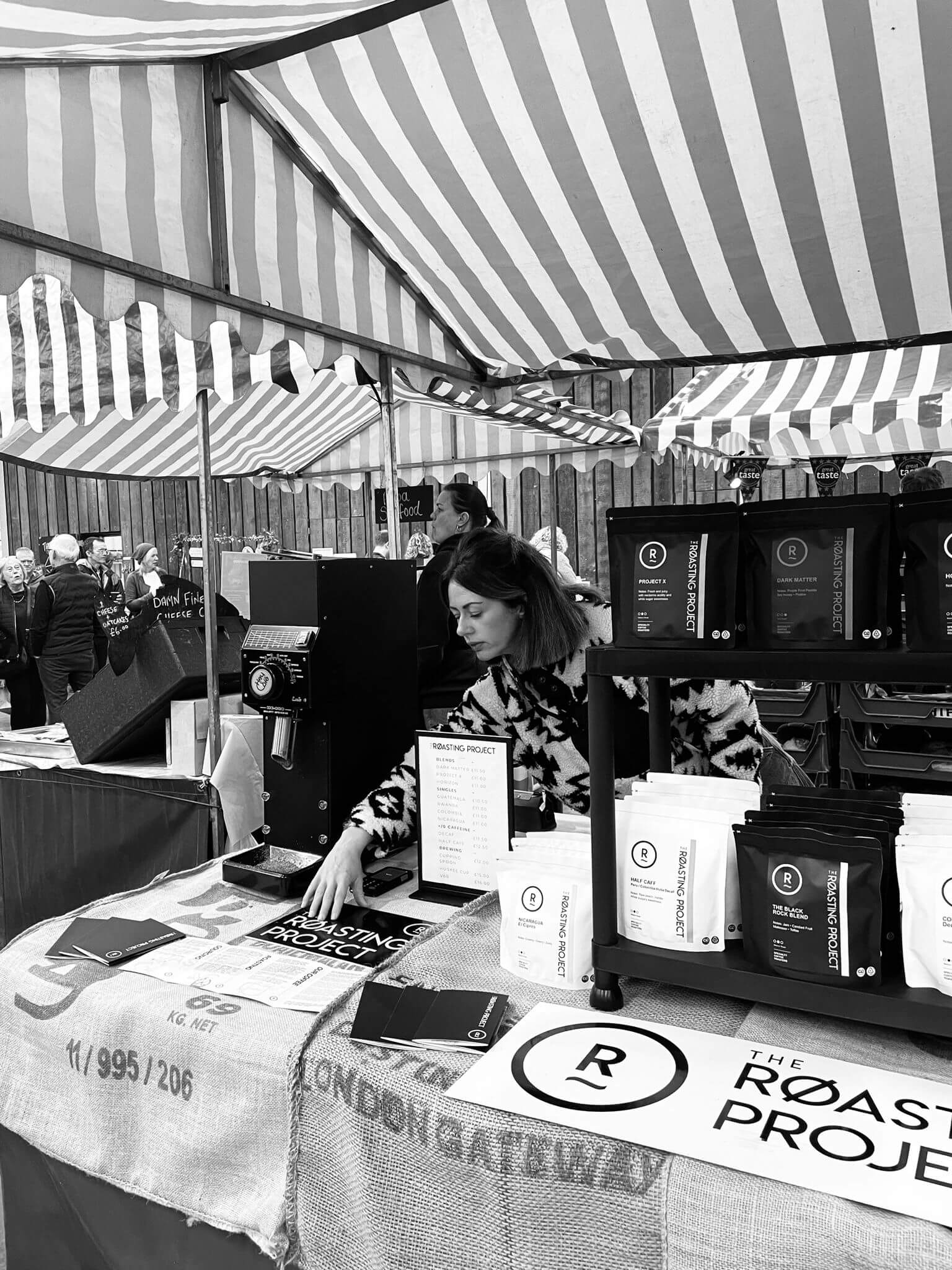
The outcome being quality coffee enjoyed in the comfort of your own home. We engage with the public at markets and events recommending our delicious range of coffee depending on their brewing method.
You’re members of Food from Fife – what encouraged you to join, and what value do you see in being part of a cross-sector local food community?
We were encouraged to join Food from Fife, as the dedicated networking group provides an opportunity for The Roasting Project to showcase our range of specialty, single origin and solo coffee. Being part of a cross sector local food community allows for like-minded collaborations, sharing of expertise, fostering innovation and sharing resources.
W: www.theroastingproject.co.uk
Email: roastery@theroastingproject.co.uk
Tel: 01592 407882